Dragonfly
A Delicate Elegance for the Craft Fair Booth
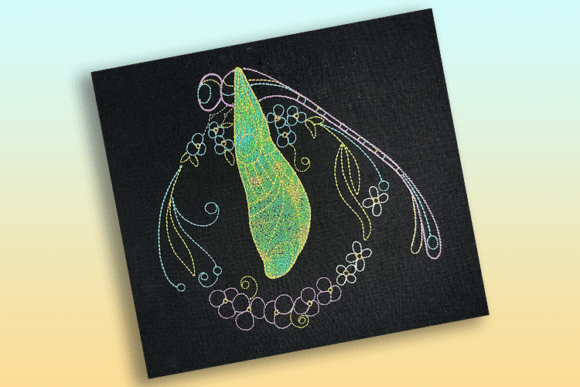
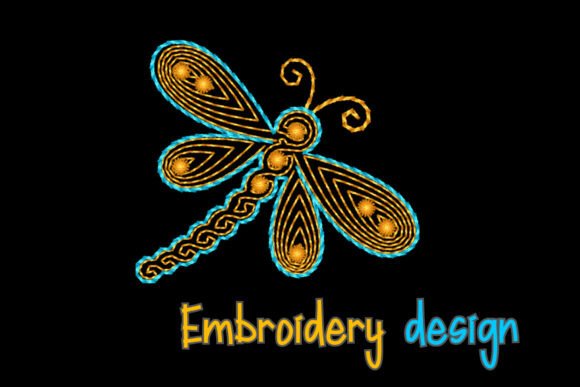
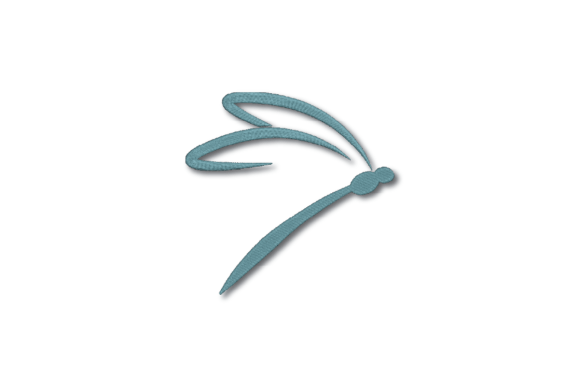
The Dragonfly design first catches the eye with its delicate and intricate detailing. It exudes a soft, elegant vibe that feels both modern and timeless. As an experienced embroidery designer, I find this design to be a perfect blend of sophistication and charm—ideal for those looking to add a touch of whimsy to their handmade products.
Visual Appeal and Customer Attention
At first glance, the Dragonfly stands out as a subtle yet striking motif. Its intricate wings and graceful body make it a strong focal point on any product. Whether displayed on a tote bag, apron, or pillow cover, it draws the eye and invites closer inspection. The design’s naturalistic style is particularly appealing in the context of Bugs Insects, offering a unique twist that appeals to both collectors and everyday crafters.
Suitable for a Wide Range of Products
The Dragonfly performs exceptionally well across various craft fair product types. On tote bag design and apron embroidery, it adds a refined aesthetic without overwhelming the product. For tea towel embroidery, the design maintains clarity and detail even when scaled down. It also works beautifully on embroidered patch and pillow cover items, where its delicate nature complements the product's overall look.
As a small shop product, the Dragonfly offers versatility. It can be used as a small accent on caps or fabric pouches, or as a larger focal design on market bags and handmade gifts. This adaptability makes it a valuable asset for Etsy sellers and boutique makers aiming to diversify their offerings.
Practical Production Considerations
Before committing to mass production, it’s crucial to evaluate the Dragonfly’s practicality. The design features dense stitch areas and tiny details that require careful attention. While these elements contribute to its visual appeal, they may pose challenges during production. For instance, stitch density needs to be balanced to ensure the design remains clear and legible on different fabric textures.
Additionally, the Dragonfly may lose some clarity on dark fabrics or when printed at smaller sizes. This means that printable mockup testing is essential to ensure the design translates well into finished products. As a digital embroidery file, it should be reviewed for thread color contrast and spacing to maintain its integrity across various commercial embroidery applications.
Design Assets and Finished Product Quality
For a successful handmade product, the Dragonfly requires high-quality design assets. A well-structured embroidery file ensures smooth stitching and consistent results. When producing finished products, using the right stabilizer and confirming the appropriate hoop size are critical steps to avoid distortion or damage to the design.
It’s also important to consider fabric texture and how it interacts with the design. For example, textured towels may affect the appearance of the Dragonfly, so testing on scrap fabric is a must. Always run a sample before proceeding with full production to ensure the final product meets your standards.
Booth Display and Brand Consistency
In a busy craft fair booth, the Dragonfly has the potential to stand out among competitors. Its elegant and unique design makes it a strong contender for customer engagement. When displayed alongside other craft fair products, the Dragonfly can help reinforce brand consistency, especially if it aligns with your overall aesthetic and target audience.
Creating at least one real mockup is highly recommended. It not only helps in assessing the design’s performance but also gives you a tangible sample to showcase at your booth. This builds trust with customers and reinforces the quality of your handmade product.
Final Thoughts on Dragonfly
The Dragonfly is a versatile and elegant design that has the potential to elevate your craft fair product lineup. With careful planning and attention to detail, it can become a standout item that resonates with both local and online buyers. As an experienced embroidery designer, I recommend taking the time to test the design thoroughly before launching it as a commercial embroidery product.
Remember to always check the embroidery file for any alterations that may affect the output. Confirming thread colors, stabilizer use, and hoop size will help ensure a flawless result. By following these best practices, you’ll be well on your way to creating beautiful, sellable handmade products that reflect your brand’s quality and creativity.